
Why has my hair stopped growing?

A question many people have about their hair is -
Why does it stop growing?
The truth is there isn’t one simple answer to this question but there are solutions.
As a leading Hair Professional hair is something that is more important to me than how many likes I achieve, how much money i make from that reel i posted or simply appeasing my clients wants. My job is to educate, learn and achieve, not to damage, over process, and achieve unrealistic outcomes at a cost to my clients long term hair lifespan. So where to begin………….
Grab your favourite beverage and get comfy.
Hair health starts deep. It starts with a very complex micro-organ. It’s a dynamic, self generating structure composed of 20 different cell types that work in a coordinated fashion that produces hair, regulates growth, and undergoes it’s own cycles of degeneration and regeneration. These cells are organised into 6 primary layers and several associated structures. Scientific literature sometimes groups these differently but, they are broadly divided into Epithelial (inner) and Mesenchymal (outer) lineages.
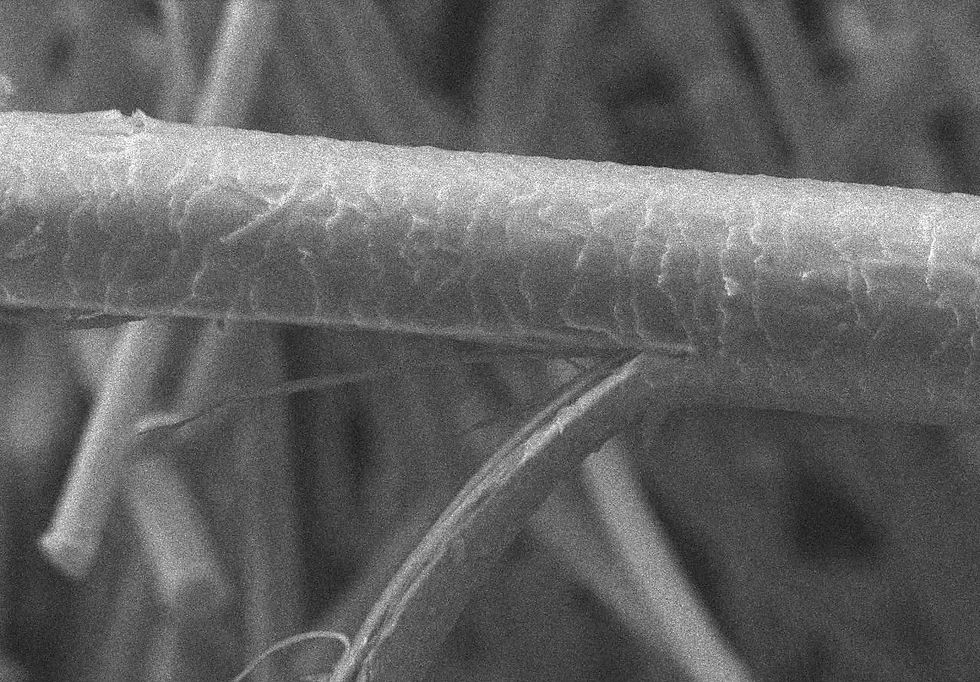
The hair shaft has 3 types of cells. Medulla cells, Cortex cells and Hair Cuticle cells.
The medulla cells are the innermost core of the hair and are followed by the cortex cells which is the thickest middle layer that not only provide strength but it provides your hairs colour. The Hair cuticle cells is the outermost protection of the medulla and the cortex cells and provides protection in the form of tiny “shingle” like hairs. The medulla cells can be absent from the hairs structure because its presence is highly dependant on the diameter of the hair and the growth cycle phase. It’s also often not present in lighter hair colours because there simply isn’t enough space within the hair because the medulla is composed of loosely packed cells and air spaces. It’s presence or absence does not affect the hair health or strength but can sometimes be more resistant to colouring or perming when present.
The 3 cell types of Inner root sheath (IRS)
Henle’s Layer cell is the outermost single-cell layer of the inner root sheath. It’s the first part of the entire inner follicle to keratinise and die. It hardens first by becoming a rigid “pipe” early on to create a solid boundary. This prevents softer cells inside from expanding outward, forcing the hair to grow upward instead of bulging sideways. It acts as the sliding surface, because this cell is hard but smoothe it allows the the rest of the inner follicle to glide against the outer root sheath (the “stationary” part of the follicle) as the hair pushes toward the surface. The Huxley’s layer is much thicker (usually 2 cells deep) and sits inside the Henle’s layer. It hardens after Henle’s layer and provides the bulk of the structural support and is the reinforcement of the Henle’s layer keeping the tube stable. Huxley’s layer contains “Flűgelzellen” (wing cells) that reach through the Henle’s layer, locking the inner root sheath layers together so the move as one solid unit. The Inner Root Sheath Cuticle is the innermost layer of the inner root sheath, sitting directly against the hair itself. It is the last of the 3 cells to harden because this layer needs to stay flexible, long enough to “interlock” its scales with the scales of the growing hair shaft. Once it hardens, its downward-pointing scales “zip” into the upward-pointing scales of the hair. This is what physically holds your hair inside your head so it doesn’t just fall out under its own weight. As these three layers of cells move up the follicle toward the skins surface, they fully keratinise and lose their nuclei (becoming “dead” structural tissue).
Once they reach the level of the sebaceous (oil) gland the Inner Root Sheath is no longer needed. Enzymes break the cells down and the Inner Root Sheath simply disintegrates letting the hair shaft travel the rest of the way to the surface alone. The IRS acts as a rigid, living “mould” foe the hair shaft. While the hair is till below the skin’s surface, it is soft and malleable, the IRS cells harden (keratinise) first to dictate the hairs final shape and guide it toward the surface. It’s cells perform several critical jobs.if the IRS creates a perfectly cylindrical tunnel this creates a straight hair. If the IRS is curved or elliptical it will force the hair to grow with a curl.
The Outer Root Sheath (ORS) is the permanent plumbing of the follicle. It is a multi-layered tube of epithelial cells that connects the surface of your skin to the deep bulb where the hair is made. It stores high levels of glycogen (energy) to feed growing hair, forming a barrier between the growing hair and the surrounding dermis. While the hair and its Inner Root Sheath “slide” upward like an elevator, the Outer Root Sheath is the elevator shaft that stays in place. The bulge in the Outer Root Sheath is a specific, thickened area within the Outer Root Sheath, located near the arrector pili muscle (the muscle that gives you goosebumps) attached to the follicle. This is where the the follicle stem cells live. The Bulge stem cells (K15+/CD34+) is the reason your hair can regrow after it falls out. During the resting phase (telogen), the stem cells sit quietly in the Bulge. They are “immune privileged“ meaning your body’s immune system is programmed to leave them alone so the don’t get damaged. When its time for a new hair to grow, the Dermal Papilla (at the bottom of the follicle) sends a chemical “flare” upto the Bulge. In response, the stem cells in the Bulge divide. Some stay behind (Basel Stem Cells) to keep the reservoir full, while others (transit-amplifying cells) travel downward. These migrating cells move to the base of the follicle to create a brand new Hair Bulb (Outer Roots Sheath Keratinocytes) and then begin dividing to create the new hair shaft and the Inner Root Sheath. If the Hair Bulb (the bottom) is damaged, the hair might stop growing temporarily. If the Bulge is destroyed by scarring, certain types of alopecia or deep burns the follicle looses its “instructions” as well as its “seeds”. Once the bulge is is gone the hair can never grow back.
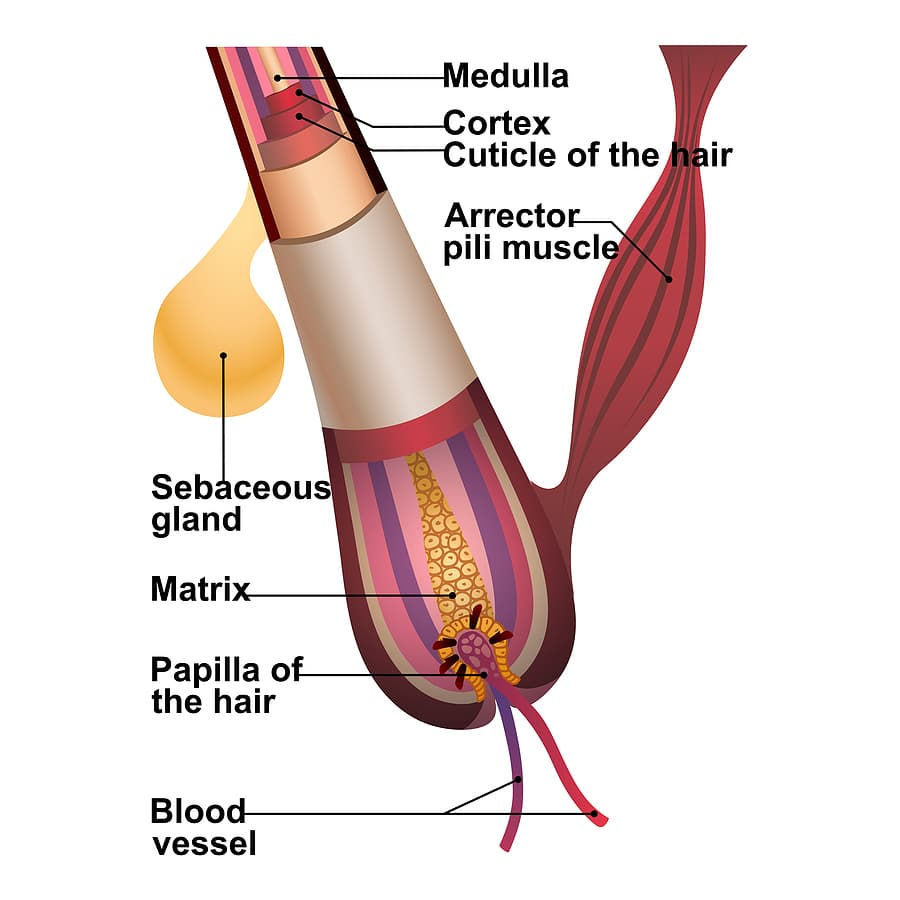
Matrix Keratinocytes are the builders and are some of the fastest dividing cells in the human body. Think of them as the “construction workers”.
They receive instructions from the Dermal Papilla and rapidly multiply by dividing to create the bulk of the hair shaft and the Inner Root Sheath. As new cells are born at the bottom, they push the older cells upward. As these cells move up, they fill with hard protein called keratin and eventually die, forming the solid hair you see on your head.
Because they divide so quickly, they are very sensitive to things like chemotherapy or extreme malnutrition which is why hair often falls out during those treatments. The “workers” simply stop producing.
Mixed among the matrix keratinocytes are Melanocytes and these are the cells that produce melanin (pigment) and injects melanin into the developing keratinocytes before they harden. There are two types of melanocytes, these are called
Eumelanin - which creates brown and black shades & Pheomelanin which creates red and blonde shades. This means each person has a unique mix and amount of melanin injected by these cells and determines your natural hair colour. Just like the hair itself has a “seed” in the bulge, the pigment producing cells have their own back up supply called Melanocyte Stem Cells (McSCs). These live in the Bulge alongside the hairs stems cells.
Every time a new hair growth cycle starts, some of these stem cells travel down to the matrix, turn into active melanocytes, and start “painting” the new hair. Unlike hair stem cells (which can last a long time), Melanocyte stem cells are more fragile. Over time, or due to stress, this “ink reservoir” runs dry. When these stem cells are gone the matrix has no “painters” left and results in the hair growing out white or gray.
In a healthy follicle, the Matrix Keratinocytes and Melanocytes work in perfect sync, the keratinocytes build the structure, and the melanocytes provide the colour as it travels up the “assembly line”.
Mesenchymal/Dermal components are the architects and foundation.
These cells aren’t part of the hair itself but they are part of the skins deeper layer known as the dermis which wraps around and controls the follicle. The command centre (Demal Papilla Cells) is a pear shaped cluster of specialized fibroblasts at the very base of the hair bulb. The Dermal Papilla cells act as the master regulators. They don’t make the hair, but they tell the matrix cells when to start growing, how fast to grow, and when to stop. The number of cells in the Dermal Papilla determines the thickness of the hair shaft. A large Dermal Papilla creates a thick, terminal hair (like on your head) and a tiny Dermal Papilla creates a thin peach fuzz hair (vellus hair). The Dermal Papilla is the only part of the follicle “organ”that is in direct contact with blood capillaries, pulling in the nutrients and hormones needed for growth. Dermal Sheath cells wrap around the entire outside of the follicle, from the bulb all the way upto the bulge. These cells are incredibly versatile. If the Dermal Papilla is injured or losses cells, the Dermal Sheath cells can actually migrate inward and transform into new Dermal Papilla cells to keep the hair growing. They have “myofibroblast” properties meaning they can contract slightly, which helps the follicle “zip up” and move upward during the transition to the resting phase.
Connective Tissue Sheath Fibroblasts or the Outer Shell is the outermost “skin” of the hair follicle organ. These fibroblasts produce a dense network of collagen and extracellular matrix. Think of this as the “concrete” casing of the elevator shaft. It physically separates the follicle from the rest of the dermis, protecting the delicate internal signaling from being “interfered with” by other skin processes. This layer provides the physical anchor for the Arrector Pili Muscle, allowing the muscle to pull on the follicle to create goosebumps. What makes these three types special is that they are Mesenchymal in origin, meaning they come from a different embryonic layer than the hair itself. This allows them to act as a “foreign” signaling system that talks to the hair cells to keep the growth cycle moving.
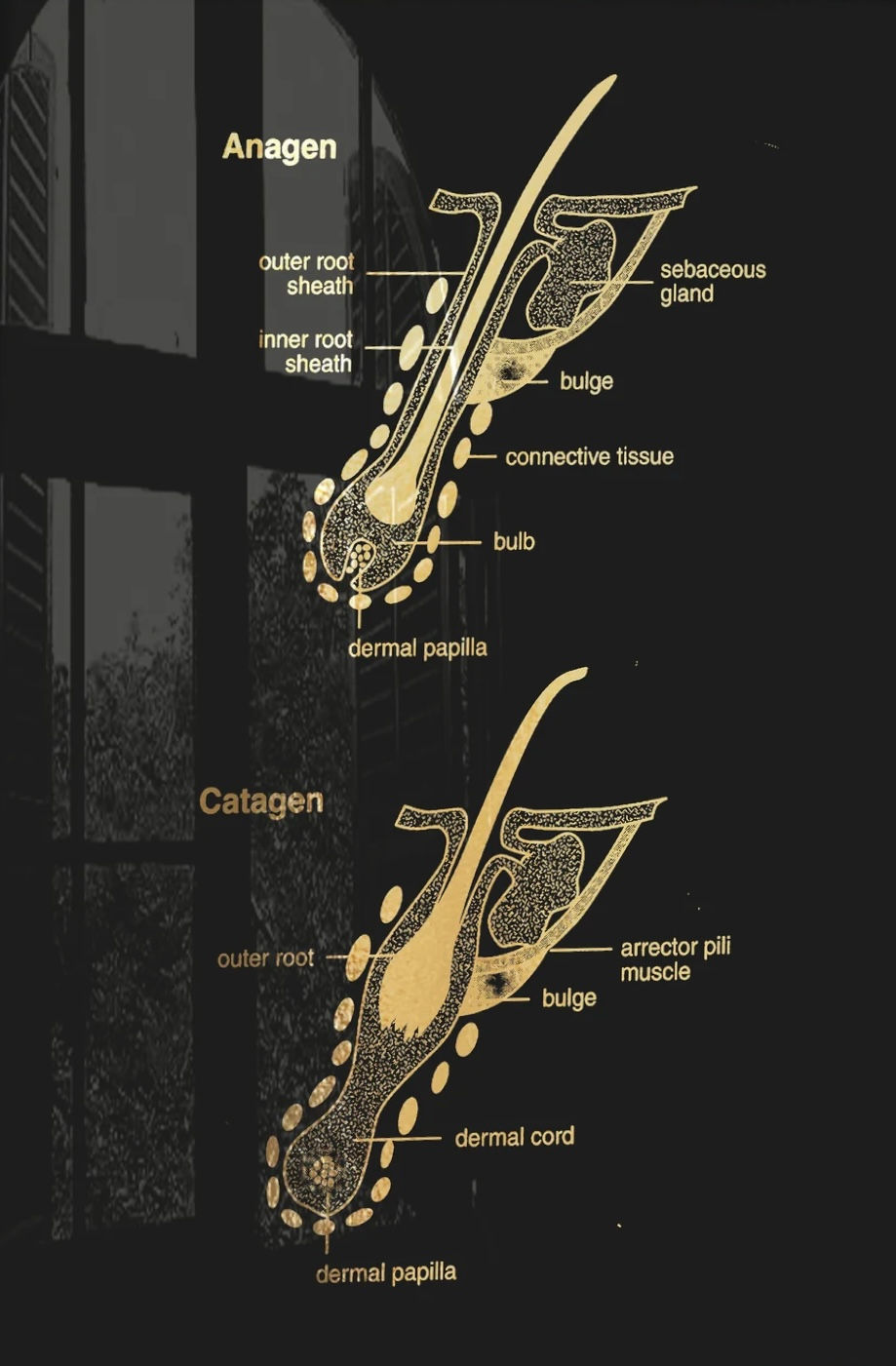
There are Associated niche cells that are the support staff, security team and utility providers for the follicle. While the don’t build the hair, the follicle cannot function as an organ without this niche environment these cells provide. The Arrector Plil Muscle cells form a tiny band of smoothe muscle to the follicle wall. This is what makes hairs stand on end. Scientist have recently discovered that this muscle is essential for maintaining the Bulge stem cells. The muscle acts as a physical anchor and sends signals that help keep the stem cells in their proper home. If the muscle detaches (common in some types of hair loss) the stem cells often disappear.
Sebocytes are the cells that make up the Sabacous Gland, which is attached to the side of the follicle. They produce sebum (natural oil) as the hair moves up the “elevator shaft” (the ORS), the sebocytes burst (a process called Holocene secretion) to coat the hair in oil. The oil waterproofs the hair, keeps the scalp supple and provides a mild antibacterial barrier.
Endeothelial Cells are like the fuel lines. These cells form the microscopic blood vessels (capillaries) that surround the follicle. They deliver oxygen and nutrients directly to the Dermal Papilla.
Because hair growth is one of the most energy-intensive processes in the body, these cells must create a dense “wrap” of vessels around the base of the follicle during the growth phase (Anagen). When the hair stops growing these vessels actually shrink away. Hair follicles are highly sensitive touch receptors and Schwann cells insulate the nerves and help them survive by ensuring the nerves are positioned correctly so that even the slightest movement of a single hair sends a signal to your brain.
The last of the Associated Niche cells are the Immune Cells. These include Mast cells, Macrophages and Lagerhans cells. These cells monitor the area for bacteria and damage because the hair follicle is a “hole” in your skins defences, so these cells stay on high alert. Crucially, they also help regulate the growth cycle, for example, Macrophages actually release signals that tell the stem cells when it’s time to start growing a new hair.
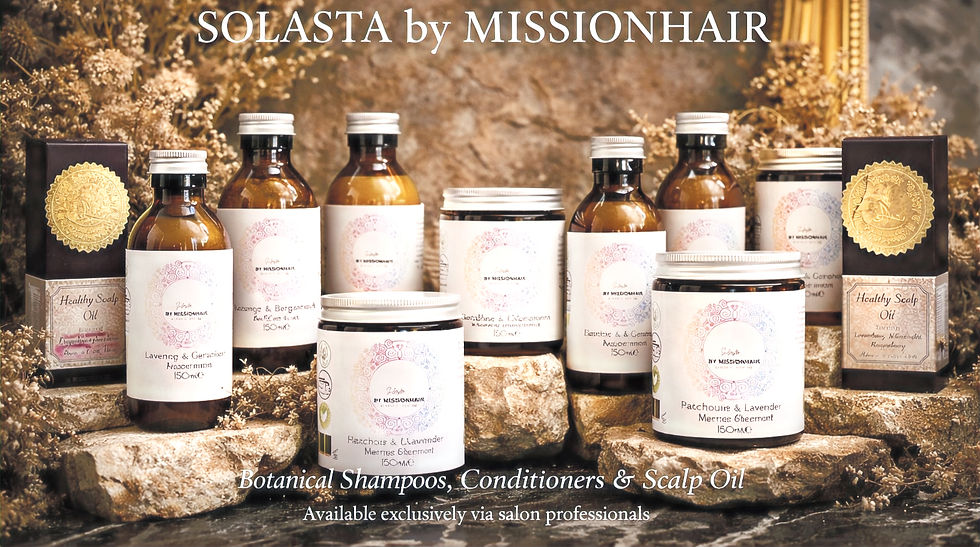
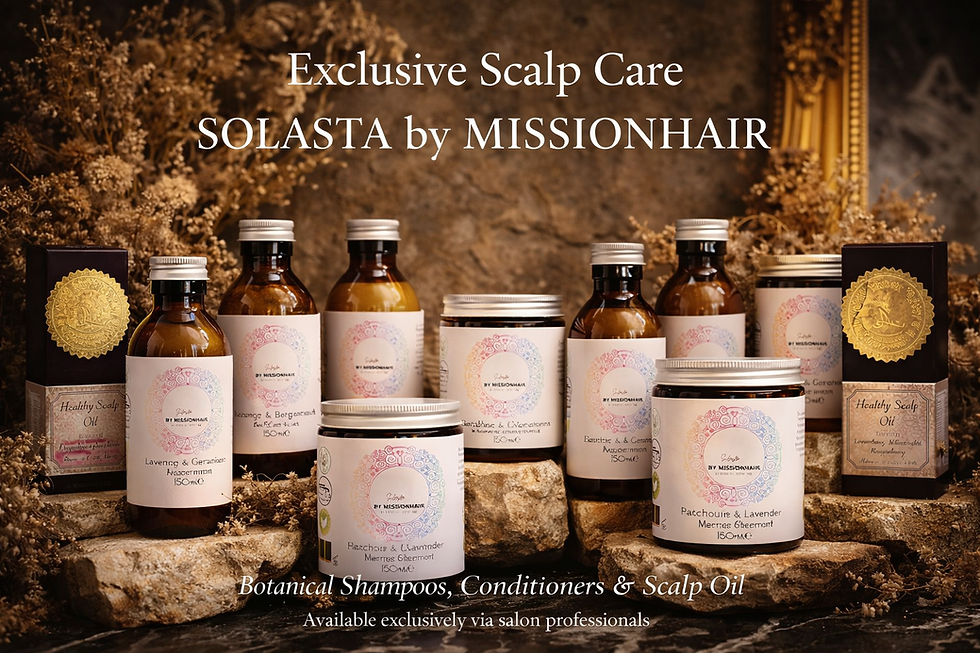
Solasta By Missionhair are designed as a system to specifically target the health of the follicle through natural bioactive ingredients.
Healthy Scalp Oil contains a blend of naturally occurring vitamins and minerals designed to activate dormant hair follicles. By providing essential proteins and amino acids, it supports the Dermal Papilla’s ability to signal matrix cells to enter the Anagen (growth) phase. The natural ingredients are a natural source of biotin, a vital nutrient that hair follicles need to metabolise the amino acids used to build the shaft. One of the most unique features of Healthy Scalp Oil is its use of botanicals that naturally inhibit dihydrotestosterone (DHT). DHT is a hormone that causes follicle to shrink by weakening the Dermal Papilla’s. By blocking these signals, the products help maintain the volume and length of the follicle, ensuring each strand stays anchored longer and grows thicker.
Many Solasta formulas, such as the Peppermint Duo or the stimulating Oil use essential oils like Peppermint and Rosemary. These ingredients boost blood flow to the Endothelial cells surrounding the follicle, improving circulation to deliver more oxygen and nutrients directly to the hair bulb, supporting the rapid division of matrix keratinocytes.
The shampoos and conditioners are formulated to regulate and balance the scalp microbiome the “security detail” of immune cells and bacteria. By maintaining the correct pH and reducing inflammation through the ingredients like the Aloe Vera and Lavender in these products, they naturally prevent “scalp stress” that can otherwise trigger the follicle to prematurely enter the resting phase. The natural formulations help remove buildup from the follicle opening without harsh chemicals, ensuring the sebocytes can function correctly without the pore becoming blocked.
For the best results in encouraging growth apply 2-3 pipettes of Healthy Scalp oil directly onto the scalp in sections - ensuring the full scalp is covered and massage it in to stimulate the Arrector Pili muscle and nerves. Leave on for a minimum of 30 minutes or preferably overnight to allow the formula to deeply penetrate the follicles structure.
When scalp health isn’t a priority the quality of hair growth & production is poor and the hairs condition is affected before it’s even visible resulting in the hair growing in damaged and eventually breaking away making it appear to have stopped growing. The scalp needs to function like a well oiled machine and that’s exactly why we exist as a Hair professionals Brand. Scalp care is more than Wellbeing and is the tool that will provide hair and scalp health longevity.
To discuss options on becoming a stockist click here.



Comments